This site is not affiliated with any diamond retailer, laboratory, or certification body. Independent comparison resource. Some links may be affiliate links.

Lab-Grown vs Natural Diamond Quality: The 4Cs Compared

Lab-grown and natural diamonds are graded identically on the same 4C scale. There is no inherent quality difference. Here is how to use the 4Cs to find the best stone for your budget.
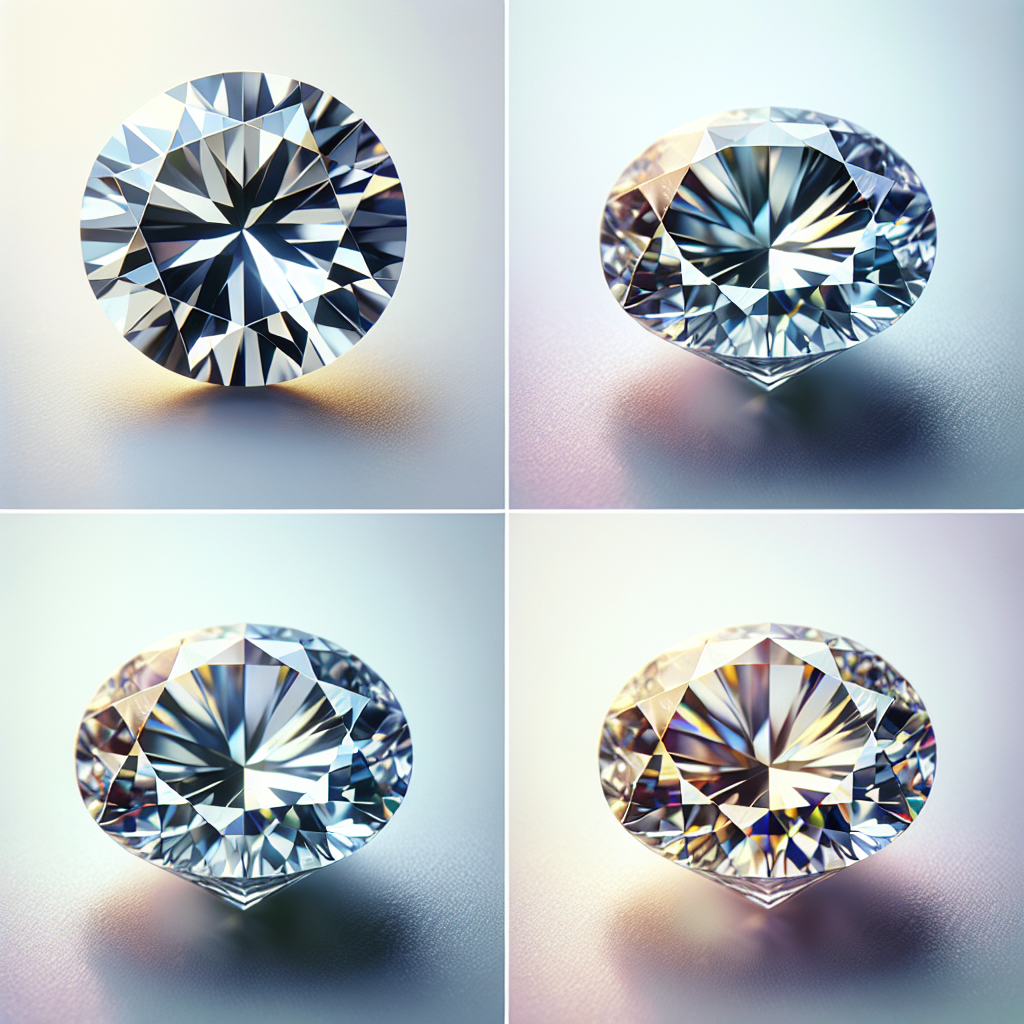
Four diamonds illustrating the 4Cs: cut facets, colour gradient, clarity inclusions, and size comparison
The Cut Grade

Cut

Cut is the most important of the 4Cs. It determines how well a diamond reflects and refracts light, creating sparkle. An Excellent or Ideal cut grade should never be compromised. The advice is identical for lab-grown and natural: always prioritise cut. A G/VS2 with Excellent cut will outsparkle a D/IF with Good cut.

Recommendation: Always choose Excellent or Ideal cut. This rule applies equally to lab-grown and natural.
The Colour Grade

Colour

The GIA colour scale runs D (colourless) to Z (light yellow). For natural diamonds, G-H is the sweet spot. The stone appears white face-up but costs significantly less than D-F. For lab-grown diamonds, because pricing is lower, upgrading to E-F colour is affordable and worth considering.

Recommendation: Lab-grown: E-G is ideal. Natural: G-H offers the best value. Both look white in a ring setting.
The Clarity Grade

Clarity

Clarity ranges from Flawless (FL) to Included (I3). For both lab-grown and natural, VS1-VS2 is eye-clean for most buyers at a good price. Lab-grown pricing makes VS1 or even VVS2 accessible without a significant budget stretch. Avoid SI2 and below in fancy shapes (oval, emerald) where inclusions are more visible.

Recommendation: VS1-VS2 is eye-clean for most buyers. Lab-grown pricing makes VS1 accessible at little extra cost.
The Carat Grade

Carat

Carat is weight, not size. A 1-carat diamond weighs 0.2 grams. Visual size depends heavily on shape. Ovals and marquises look larger than rounds of equal carat weight. The lab-grown advantage: the same budget buys significantly more carat weight, which translates directly to a more visually impactful stone.

Recommendation: For maximum visual impact per dollar, consider oval or elongated shapes in lab-grown.

Recommended Specs by Budget

BudgetLab-Grown RecommendationNatural Recommendation
$1,000-1,5001.0-1.5ct, Excellent cut, G-H, VS2 (lab)0.4-0.5ct, Excellent cut, G-H, VS2
$1,500-2,5001.5-2.0ct, Excellent cut, F-G, VS1-VS20.5-0.6ct, Excellent cut, G-H, VS2
$2,500-4,0002.0-3.0ct, Excellent cut, E-F, VS10.7-0.8ct, Excellent cut, G, VS2-SI1
$4,000-6,0002.5-3.5ct, Excellent cut, D-E, VVS20.9-1.1ct, Excellent cut, G-H, VS2
$6,000-10,0003.5-5.0ct, Excellent cut, D-E, VVS11.2-1.5ct, Excellent cut, G, VS1-VS2

Quality FAQs

Are lab-grown diamonds the same quality as natural diamonds?
Yes. Lab-grown and natural diamonds are graded using the exact same 4C scale by the same certification laboratories. There is no inherent quality difference. Both can be Flawless or Included, colourless or tinted, depending on the specific stone. The 4C grade on a lab-grown diamond means exactly the same thing as on a natural diamond.
Do lab-grown diamonds look different from natural diamonds?
No. Lab-grown and natural diamonds look identical to the naked eye, under a standard jeweller loupe, and in everyday lighting. The only way to distinguish them is with specialised gemological equipment. A well-cut lab-grown diamond sparkles identically to a well-cut natural diamond of the same specifications.
What is the best colour grade for a lab-grown diamond?
For lab-grown diamonds, E-G colour offers the best value. Because lab-grown pricing makes higher colour grades affordable, many buyers upgrade to E or F without significant budget strain. For natural diamonds, G-H is the sweet spot: the stone appears white face-up but costs significantly less than D-F. Both look equally white in a ring setting.
Can lab-grown diamonds have inclusions?
Yes. Lab-grown diamonds can have inclusions just like natural diamonds. CVD diamonds may show strain lines or pinpoints visible under magnification. HPHT diamonds may show metallic inclusions from the catalyst. However, the highest clarity grades (IF, VVS1, VVS2) are more achievable and affordable in lab-grown than natural, making it easier to find a high-clarity stone within budget.
Price comparison →Certification guide →CVD vs HPHT →